Experienced Carpenter for Custom Woodwork Solutions
An experienced carpenter plays a vital role in bespoke woodwork solutions. Their proficiency guarantees that projects are executed with accuracy and creativity. From bespoke cabinetry to unique shelving, these craftspeople transform ideas into functional pieces. Recognizing the characteristics that define a skilled carpenter can greatly influence the outcome of a project. Understanding how to effectively work together and budget is equally important. What critical elements should one take into account when starting such a bespoke undertaking?
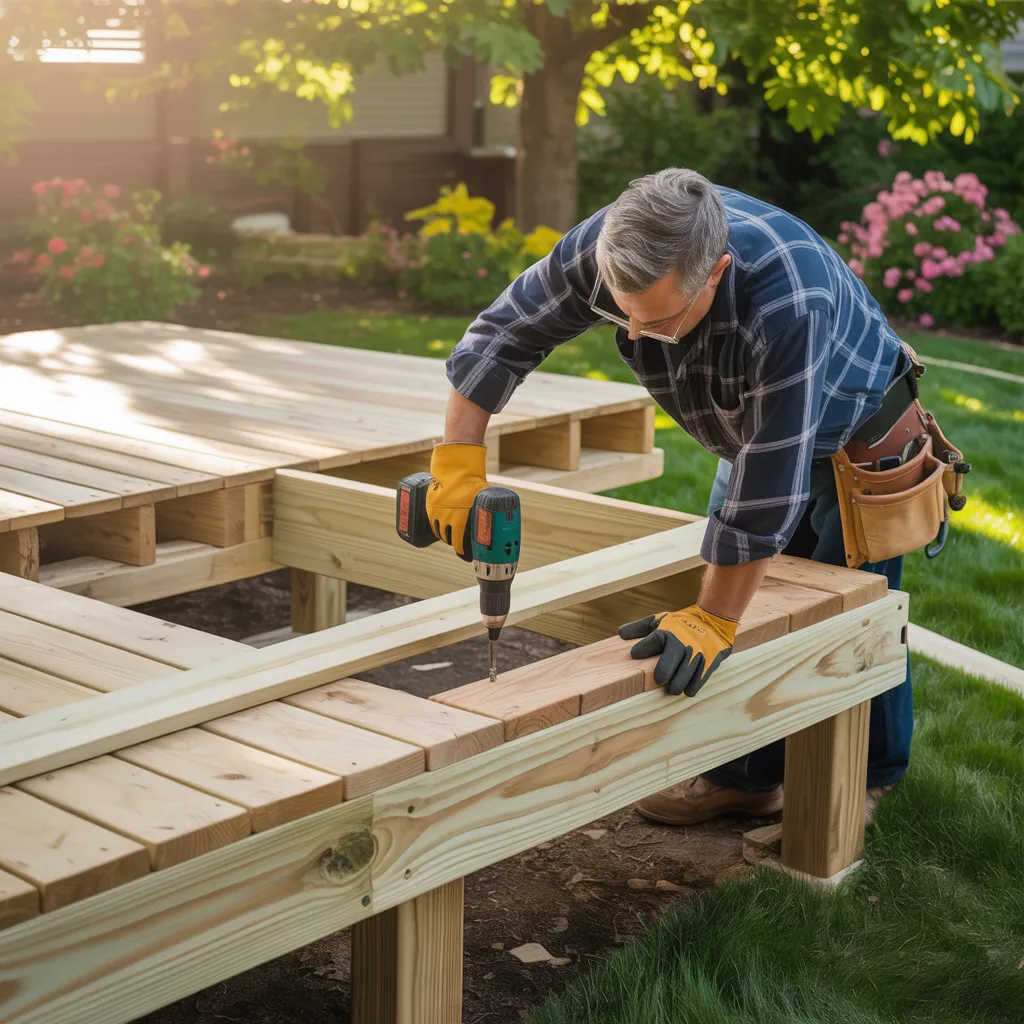
Why Work with an Expert Carpenter for Made-to-Order Woodwork?
Choosing a experienced carpenter for tailored wood projects can greatly enhance the quality and aesthetics of a project. Expertise in woodworking ensures that each piece is crafted with accuracy, meticulous care, and a thorough understanding of materials. Experienced woodworkers possess the necessary tools and techniques to transform ideas into functional designs, whether it be cabinetry, furniture, or decorative elements. Their experience allows them to foresee challenges and provide innovative solutions, resulting in a finished product that matches the client's vision. Moreover, a competent carpenter can offer advice into wood types, finishes, and design styles, enriching the overall outcome. The investment in a skilled artisan often leads to exceptional quality that lasts, providing both beauty and durability. Ultimately, choosing a experienced carpenter is crucial for achieving top-notch custom woodwork that improves any space.
Browse Custom Wood Options to Beautify Your Space
Custom woodwork choices deliver a wide array of prospects for enhancing any space, allowing homeowners to adapt their settings with unique designs. From handcrafted cabinetry to intricate moldings, custom woodwork can remake ordinary rooms into extraordinary ones. Bespoke solutions such as built-in shelves, decorative mantels, and custom furniture can maximize functionality while contributing visual appeal.
Homeowners can choose from various wood types, finishes, and styles to create a consistent look that complements their current decor. The versatility of wood permits for both traditional and contemporary designs, appealing to varied tastes. Additionally, custom woodwork can address specific needs, such as maximizing storage in compact areas or crafting signature features in spacious rooms.
Important Traits to Evaluate in Your Carpenter
When beginning a custom woodwork undertaking, it is crucial to identify a carpenter who has key qualities that ensure both quality craftsmanship discover this and effective communication. Above all, experience is vital; a seasoned carpenter brings useful skills and insights that can enhance the project. Careful precision is another key quality, as accuracy can significantly affect the final result. Additionally, creativity is significant, allowing the carpenter to suggest innovative solutions that align with the client's vision.
Reliability holds significance; a dependable carpenter meets deadlines and respects project timelines, ensuring a smooth workflow. Strong interpersonal skills are critical, as they facilitate clear exchanges about ideas, expectations, and potential challenges. Finally, a good carpenter should exhibit a commitment to customer satisfaction, focusing on the client's needs and preferences throughout the project. By seeking these qualities, clients can establish a successful collaboration and exceptional custom woodwork outcomes.
How Can You Successfully Team Up With Your Carpenter Regarding Design Suggestions?
Successful collaboration with a carpenter starts with clearly articulating creative concepts. This open communication supports a productive dialogue of ideas, where both parties can contribute imaginatively. Appreciating the carpenter's proficiency can yield innovative solutions that strengthen the overall project.
Share Your Vision
How can property owners guarantee their design ideas are properly conveyed to their woodworker? Clear communication is essential for successful collaboration. Homeowners should begin by preparing visual aids, such as sketches, photos, or mood boards, to demonstrate their ideas. This assists bridge any gaps between vision and implementation. Additionally, reviewing exact measurements, materials, and final touches guarantees that anticipations align. Regular check-ins during the design process foster an open dialogue, enabling for modifications and clarifications as required. Homeowners should also remain open to input, as skilled craftspeople often possess valuable insights from their experience. By establishing a teamwork environment, homeowners can ensure their concept is not only communicated but also comprehended and brought to life effectively by their experienced woodworker.
Accept Creative Input
Engaging a carpenter reveals architectural solutions that can strengthen any project. Productive collaboration starts with genuine dialogue, where stakeholders state their priorities and preferences while being receptive to the professional's expertise. Sharing initial artwork, thematic boards, or visual inspiration can present relevant information, allowing the builder to recognize the target aesthetic and purpose.
Furthermore, taking part in brainstorming sessions fosters a creative dialogue, where both parties can examine unique ideas and alternatives. The carpenter's experience can result in practical suggestions that enhance the original vision, ensuring the final product is both beautiful and functional. Ultimately, embracing creative input transforms a simple project into a personalized masterpiece, showcasing the distinct style and needs of the client.
Guide to Estimating expenses for Your Handcrafted wood Project?
What considerations should one take into account when budgeting for a custom woodwork project? First, the choice of materials notably affects costs. High-quality wood, hardware, and finishes can increase the project's price. Second, the complexity of the design should be assessed; intricate patterns or custom features demand more time and skill, which can increase labor costs.
Additionally, the scale of the project serves as an crucial factor; larger pieces naturally require more materials and labor. One must also account for possible additional costs, such as licenses or setup fees.
Finally, including a buffer for unforeseen expenses ensures the project remains within budget. By thoroughly assessing these factors, one can create a practical financial plan that represents both the desired quality and the limitations of available funds. Advance planning and working with a skilled carpenter can additionally help in refining the budget, enabling a successful custom woodwork project.
The Sustained Importance of Bespoke Wood Skilled Work
Committing to artisan wood crafting surpasses upfront spending, providing substantial long-term value that can strengthen both design and utility in a space. Masterful workmanship guarantees strength, often superseding the longevity of commercially produced substitutes. Individualized creations are structured to suit specific needs, optimizing space and advancing orderliness, which can lead to stronger property appraisal.
In addition, the singular appeal of specialized wood craftsmanship delivers a personalized touch that elevates the ambient experience of a workplace or home. This made-to-order craftsmanship typically engages interested parties and can help a property gain distinction in the market.
Furthermore, bespoke woodwork allows the use of eco-conscious materials, contributing to environmentally responsible living. Clients frequently find that the investment proves worthwhile through reduced maintenance costs and the timeless appeal of artisan-made items. Fundamentally, bespoke woodwork is not merely a purchase; it's a commitment to quality and individuality that can yield substantial returns over time.
Common Questions Asked Often
What Kinds of Wood Are Best for Custom Projects?
Hardwoods including oak, maple, and cherry are excellent for custom projects because of their resilience and aesthetic appeal. Softwoods like pine and cedar are equally popular for their malleability and cost-effectiveness across various applications.
How Much Time Does a Bespoke Wood Job Typically Take?
A custom woodwork undertaking typically takes anywhere from a few days to several weeks, depending on complexity, materials, and craftsmanship required. Schedules may fluctuate significantly based on the particular demands of the work and the woodworker's schedule.
Can I view examples of Your Previous Work?
A gallery featuring diverse projects offers examples of previous work. Keen parties can examine pictures and narratives that highlight craftsmanship and style, revealing the breadth and standard of completed custom woodwork projects.
What Guarantees Do You Offer on Your Bespoke Woodwork?
Yes, guarantees are provided on bespoke wood projects, ensuring superior quality and long-lasting performance. This commitment demonstrates trust in craftsmanship, enabling clients to feel secure in their purchase, understanding that any problems will be resolved promptly.
How Do You Deal With Changes During the Project?
During the project, changes are handled by teamwork and honest discussion. The carpenter examines modifications alongside the client, confirming all updates stay consistent with the original vision while incorporating any new requests or requirements with success.